

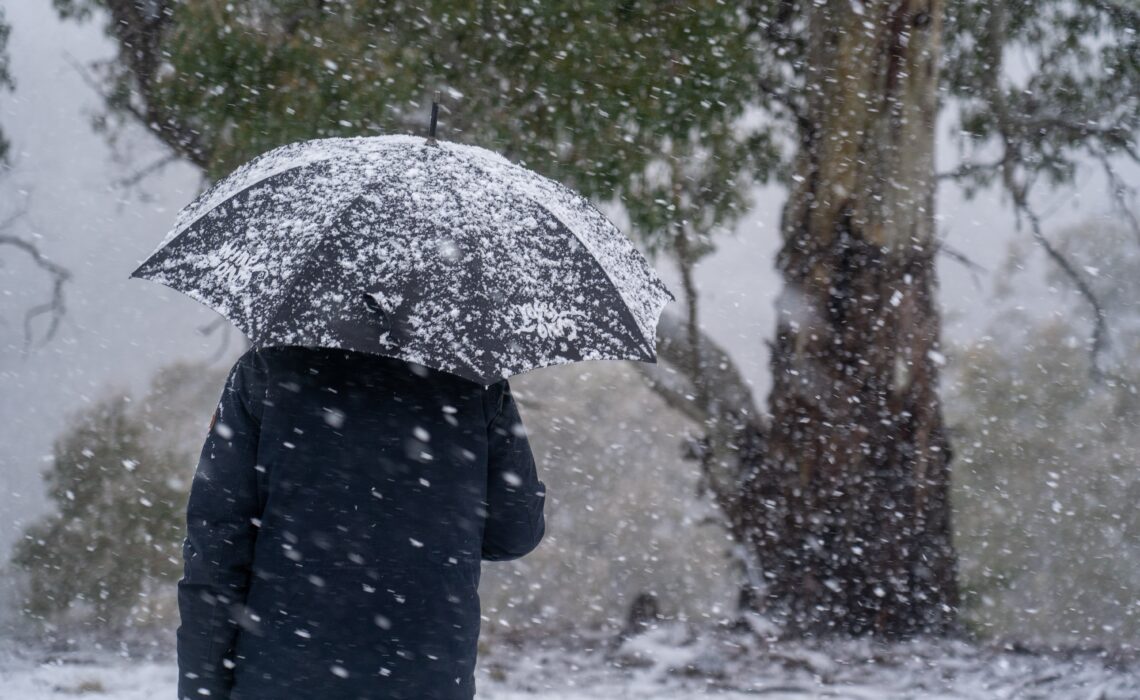

You’ve booked your ticket to Sydney, or perhaps you’re dreaming of a getaway Down Under. But then the worry sets in: Is it going to be freezing? You see photos of sunny beaches, yet you hear rumors about chilly winds and surprisingly cold apartments.
There is nothing worse than arriving in a new city unprepared—shivering in a light denim jacket while the locals are wrapped in wool, or overpacking heavy coats you’ll never wear because the sun is actually blazing. The “official” temperature data often doesn’t tell the whole story of how Sydney feels.
I’ve lived through countless Sydney winters, and I’m here to set the record straight. In this guide, we’ll pinpoint exactly which month is the coldest, break down the “real feel” temperature, and give you the insider packing tips you won’t find on a standard weather chart.
Quick Answer: When is the Coldest Month in Sydney?
July is officially the coldest month in Sydney.
During July, the average daytime maximum temperature hovers around 17°C (63°F), while the average nighttime minimum drops to 8°C (46°F). Although it is the chilliest time of year, it is rarely freezing; snow in the city is non-existent, and the days are often crisp, clear, and sunny.
Key Takeaway: If you visit in July, expect chilly mornings and evenings, but surprisingly pleasant mid-days.
The Data: Sydney Winter Temperatures Breakdown
While July takes the crown for the coldest month, the entire winter season (June through August) requires a shift in wardrobe. Here is how the months compare so you can plan your trip accurately.
| Month | Avg. High (°C) | Avg. Low (°C) | Rainfall (mm) | Daylight Hours |
| June | 18°C (64°F) | 10°C (50°F) | 132mm | ~9.5 hours |
| July | 17°C (63°F) | 8°C (46°F) | 96mm | ~10 hours |
| August | 18°C (64°F) | 9°C (48°F) | 81mm | ~11 hours |
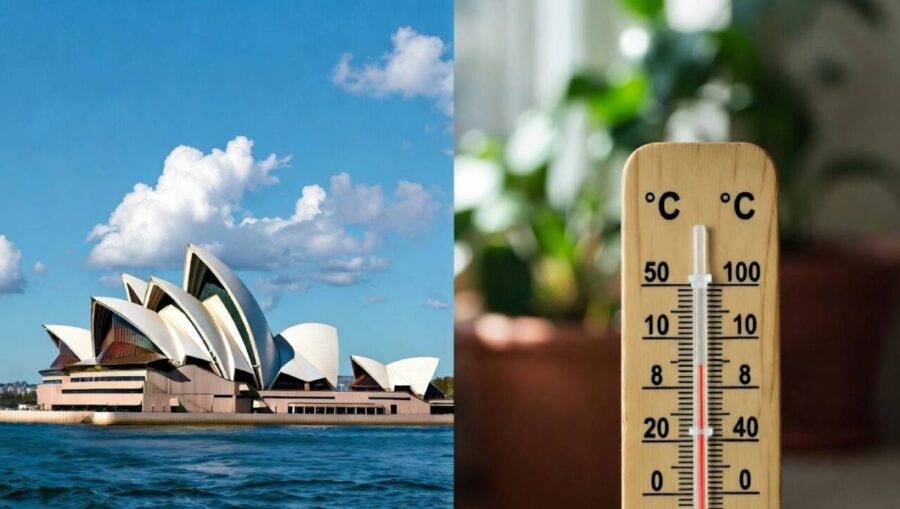
Analysis:
- June: Often feels wetter and gloomier than July.
- July: The coldest, but often the driest of the winter months.
- August: The winds pick up (the famous “Winds of August”), making it feel brisk despite rising temperatures.
The “Real Feel” Factor: Why 13°C Feels Colder in Sydney
If you are from Northern Europe, Canada, or the Northern US, you might laugh at an 8°C low. That’s t-shirt weather! You say.
Do not be fooled.
There is a phenomenon known as the “Sydney Chill,” and it catches visitors off guard every year.
1. Poor Insulation
Most Sydney housing was built to keep heat out, not in. We have double-brick walls, large gaps under doors, and single-glazed windows. It is remarkably common for it to be colder inside your Airbnb than outside in the sun. Battling the damp indoor cold requires more than just wool socks. Adjusting your diet can help regulate your internal temperature, so consider stocking up on foods that keep the body warm during the winter season to fight the chill from the inside out.
2. The Wind Chill
Sydney is a coastal city. In late winter (especially August), westerly winds whip through the harbour. A pleasant 17°C day can instantly feel like 10°C once you step into the shade or get hit by a coastal breeze.
Pro Tip: The “Sunny Side” Strategy
When booking accommodation for a winter trip, explicitly ask if the apartment is North-facing. In the Southern Hemisphere, a north-facing window gets the winter sun. A south-facing apartment in July will feel like a refrigerator.
Winter Activities: Is It a Good Time to Visit?
Absolutely. In fact, many locals argue winter is the best time to explore Sydney, provided you have a jacket.
- Whale Watching Season: From June to July, Humpback whales migrate north. It is peak viewing season, and you can often spot them from coastal cliffs like Gap Park or Cape Solander.
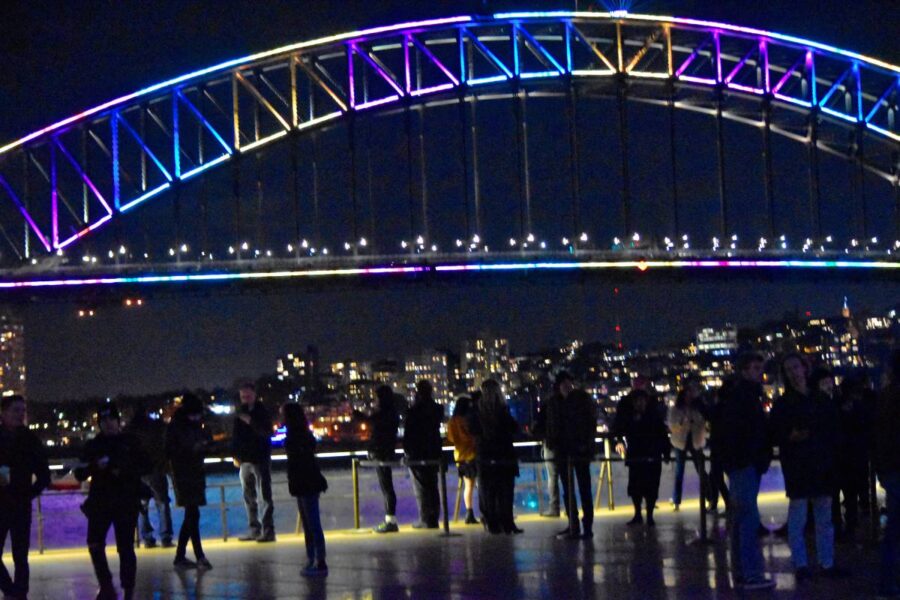
- Vivid Sydney: While usually ending in mid-June, this festival of light illuminates the city during the darkest evenings, turning the harbour into a neon wonderland.
- The Blue Mountains: If you actually want a winter wonderland experience, take a 2-hour train ride to the Blue Mountains. In July, temperatures there drop to near freezing (0°C – 5°C), and you can enjoy roaring fires and the annual “Yulefest” (Christmas in July).
If you prefer the flexibility of a self-drive tour over the train, make sure you review the essential questions you should know when renting a car to avoid hidden fees and insurance pitfalls.
What to Pack: The Essential Checklist
Forget the heavy snow gear, but leave the flip-flops (thongs) for the beach. You need to master the art of layers.
- The “On-Off” Layer: You will go from a cold street to a warm cafe, then back to a windy ferry. Bring a medium-weight puffer jacket or a wool coat that is easy to remove.
- Scarves are Vital: A good scarf protects you from the harbour wind and doubles as a blanket on the train.
- Sunglasses: The winter sun in Sydney is lower in the sky and incredibly bright. Glare is a real issue even in July.
- Closed-toe Shoes: Sneakers or boots are a must. Canvas shoes will leave your feet freezing in the shade.
Conclusion
So, while July takes the title for the coldest month in Sydney, it shouldn’t deter you from visiting. In fact, with its crisp air, lower rainfall, and spectacular whale-watching opportunities, it is arguably one of the most sophisticated times to experience the Harbour City.
Just remember: Pack layers, bring sunglasses, and check if your hotel room has a heater!
Expert FAQ